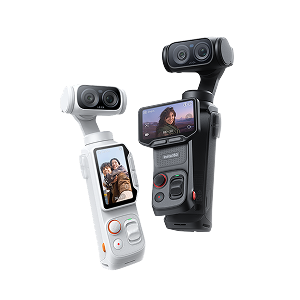
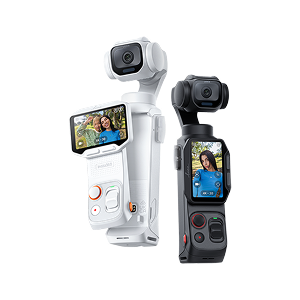

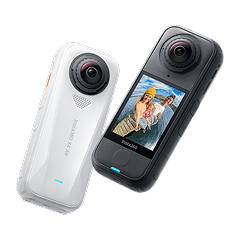
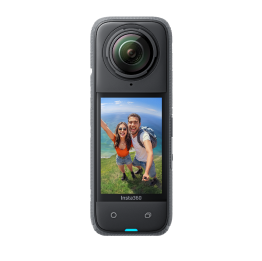













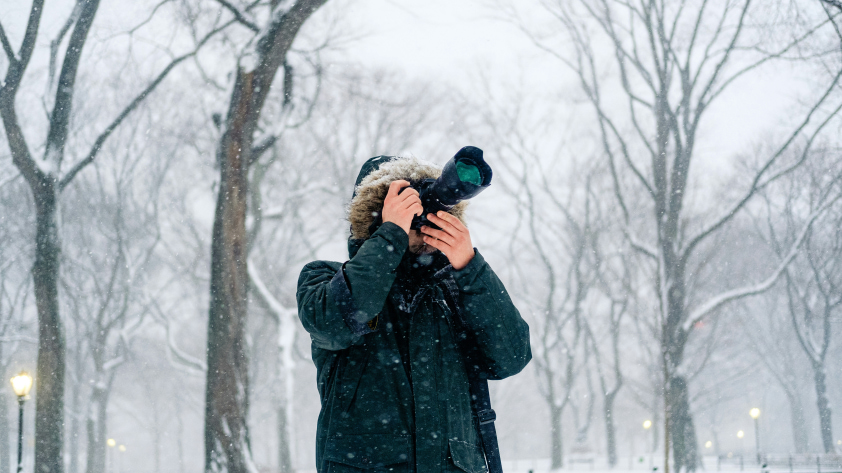


For those in the Northern Hemisphere, temperatures are only going one way. Shooting in the cold isn’t easy—frostbitten fingers, numb toes, and the siren-like call of a warm bed—but those frozen landscapes and crisp winter skies are worth it.
Cold weather challenges your body, resilience, and gear, so we've put together this cold-weather guide to protect your camera, keep batteries alive, and nail bright, detailed winter shots with Insta360’s stellar lineup. And if you happen to be reading this from the warming climes of the Southern Hemisphere, keep reading, your time will come.
How to Prepare Your Gear for Cold Weather Photography
Cold-weather shots can be mesmerizing, but they also push your camera to its limits. Preparation is everything. Before stepping into the frost, ensure your gear and game plan are ready for whatever winter throws your way.
Check the Forecast and Plan Your Route
Even before you hit record, there's plenty to do. Check the forecast, scout your route, and know when the light hits best. Snow and ice can shift conditions fast, so plan shorter sessions and stay flexible. If temps drop hard, take breaks to warm up—both you and your camera will thank you. And when things get too extreme, there's no shame in beating a hasty retreat.
Keep Your Batteries Warm
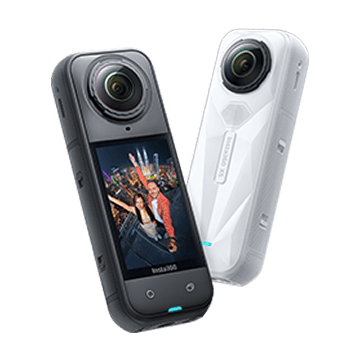
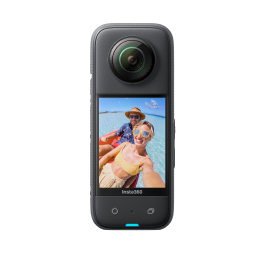
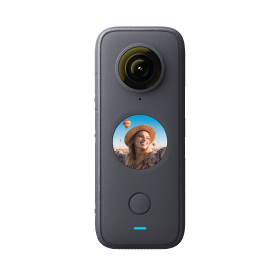
Cold drains lithium-ion batteries faster at a ridiculous speed, so keep extras tucked in an inner pocket close to your body and rotate them as needed. Insta360 X4 was built with improved cold-resistance, so it keeps rolling longer in freezing temps—but even then, warm spares are your best backup.
Weatherproof Your Setup
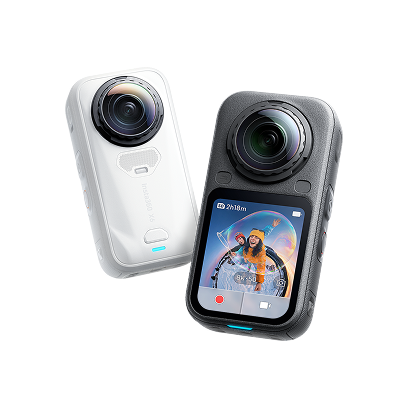
Cold is bad, but moisture really eats away at cameras. Choose cameras ready for the cold—like Insta360 X5. Built to perform in extreme conditions, it handles temperatures as low as -4ºF (-20ºC) with ease. Ride, record, and relive every moment, no matter the weather.
.webp)
Use Gloves Designed for Photographers
Ever tried handling a camera with those mammoth ski gloves on? It's a nightmare that quickly becomes a frozen nightmare. Instead, go for thin, touch-compatible gloves so you can tap screens and adjust settings without freezing your fingers off.
If you want to get really cozy—and who doesn't—consider stashing heat packs in your pockets. They’ll keep both your hands and batteries flexible when the temperature dips below zero.
Photography Tips for Taking Photos in Cold Weather
There's a reason why winter photographs often come out best. Light hits differently—bright, sharp, and full of contrast. But shooting in the cold comes with its own quirks.
Use Manual Exposure for Snow Scenes
Snow can trick your camera’s auto exposure into darkening the scene, leaving you with gray, dull results. Fix that by adding +0.5 to +1 EV compensation or shooting in manual mode. You’ll preserve that bright, clean snow tone without blowing out highlights.
Avoid Condensation When Moving Indoors
Glasses wearers will know this all too well. When you move inside from freezing temperatures, anything with a lens fogs up almost instantly, so seal your camera in a plastic bag first. Let it warm up slowly before opening it, as this prevents moisture from fogging your lens or seeping into delicate components.
Protect Your Lens From Fog and Frost
In extreme conditions, keep your camera warm and dry until you’re ready to shoot, especially in snow or near breath-level moisture. Carry anti-fog wipes and silica packets in your kit to help fend off frost buildup. A quick wipe before each take ensures your footage stays crystal clear.
Balance Exposure and Color
Snow reflects light in unpredictable ways, and it's easy to wash out an image or video in an avalanche of white. Manually set your white balance to keep tones true and avoid that cold, blue tint. If you happen to be using one of Insta360's cameras, the Active HDR and AI color correction will capture consistent, natural-looking colors, even when the world turns white, which means one less thing to worry about.
Use Stabilization Features for Smooth Footage
Frozen fingers don’t mix well with shaky shots. Turn on FlowState Stabilization and embrace 360 capture for silky-smooth footage, whether you’re skiing, hiking, or just trudging through powder.
Frequently Asked Questions
What is the Best Digital Camera for Cold Weather?
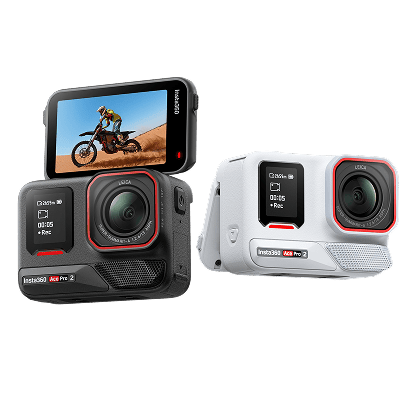
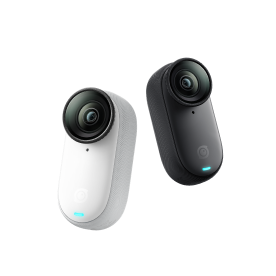
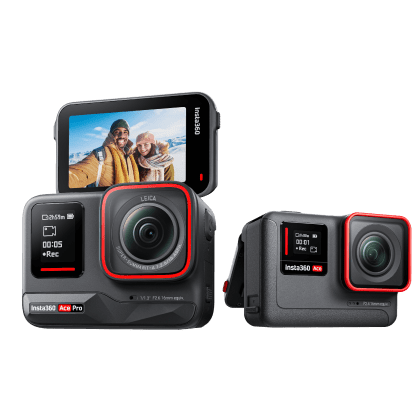
Cameras like Insta360 X4, Insta360 X5, and Insta360 Ace Pro 2 are tested to perform even when temperatures drop below freezing. They come with durable builds and advanced stabilization, meaning you can shoot longer and worry less about frost damage.
How Can I Protect My Camera Lens in Cold Weather?
Use a lens guard to block flying snow or ice, and avoid breathing directly on the lens to prevent fog. If condensation forms, wipe gently with a microfiber cloth—never with gloves or fabric that could scratch the surface.
How Do I Keep My Digital Camera Working in Cold Temperatures?
Keep your camera close to your body when not shooting, as your warmth helps preserve battery life. Avoid sudden temperature changes, and always let your camera acclimate before powering it on.
What Gear Do I Need For Cold Weather Photography?
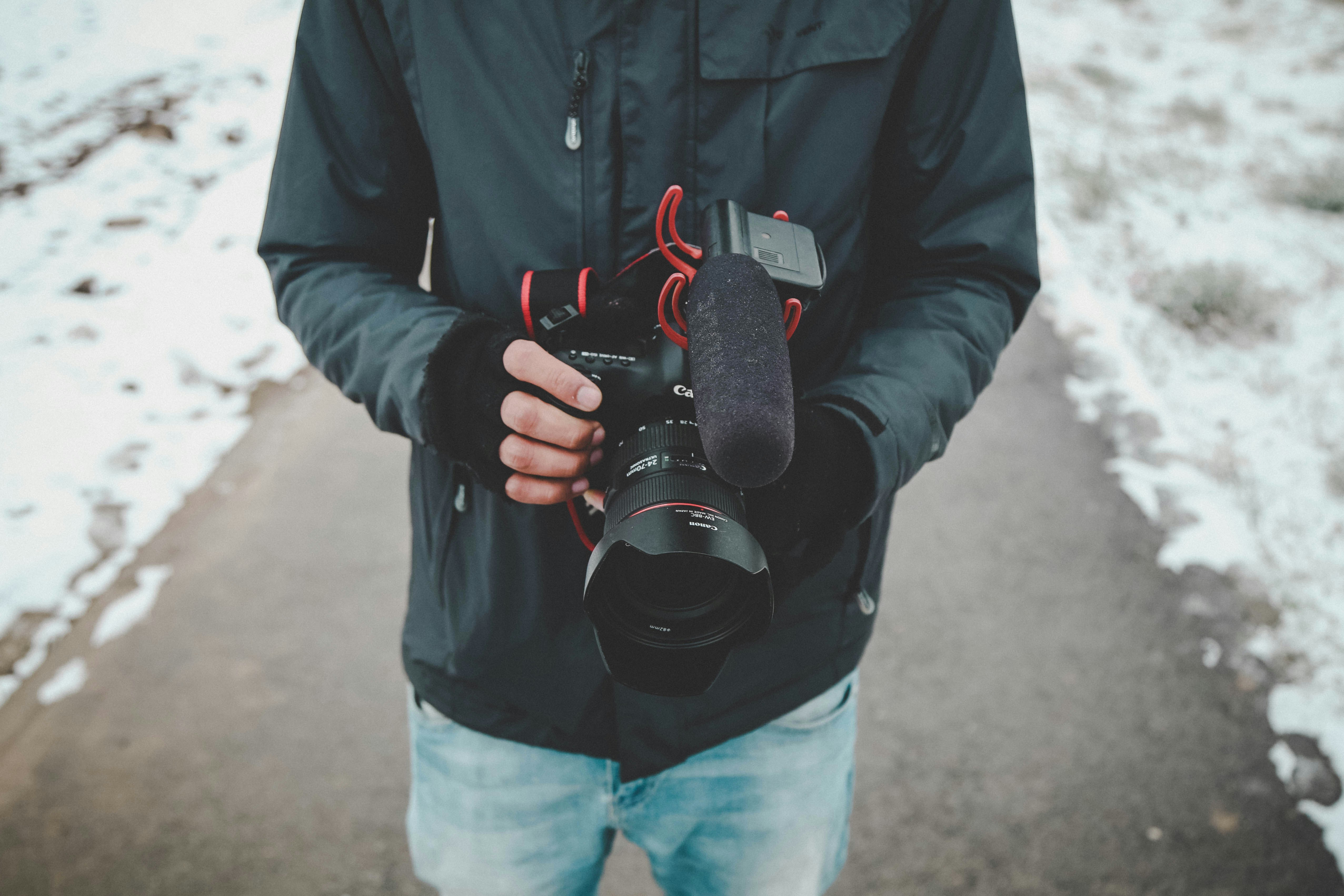
Pack smart. Bring extra batteries and memory cards, microfiber cloths, a sealed or padded camera bag, hand warmers, and protective mounts or grips for gloves or helmets.
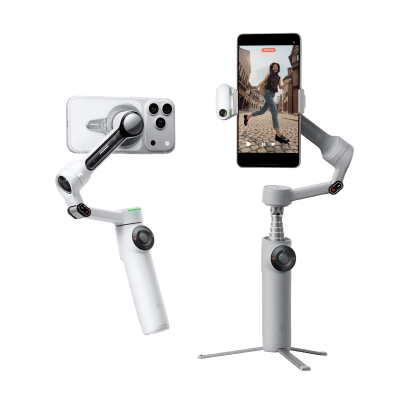
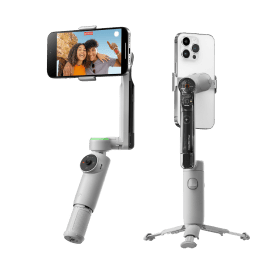
Ready to Capture Smooth, Stabilized, and High-Quality Footage Even in Cold Weather with Insta360 Flow 2 Pro?
Action is never a fair-weather pursuit. Yes, summers are glorious, but winter brings an entirely different kind of beast that can be as rewarding if you take the proper precautions and look after yourself and your camera.
With Insta360’s cold-tested lineup—Insta360 X4, Insta360 X5, and Insta360 Ace Pro 2—you can capture steady, vivid, and cinematic footage no matter how wild the weather gets. From snow-covered summits to frost-bitten trails, every shot stays sharp, smooth, and ready to share. Ready for winter? Bring it on.
Keen to keep up to date on Insta360 stories? Keep an eye on our blog and sign up for our mailing list. Got a story to share? Email yours to communitystories@insta360.com and win up to US$50.




%20(1).svg)


%20(1).svg)

.svg)