

















Choosing the best dash cam for your car isn't just about picking whatever has the biggest resolution number on the box—it's about coverage, low-light clarity and whether the thing actually runs itself. Here's what matters, and two cameras built to cover it.

Key Takeaways
- Look beyond resolution—sensor size, field of view, low-light performance and storage all matter.
- Choose a 360 camera for coverage around the car, or an action camera for simpler forward-facing footage.
- Insta360 X6 and Insta360 Ace Pro 2 offer simple USB-C setups without traditional hardwiring.
- Loop Recording keeps the camera running by overwriting older clips when storage fills up.
What a Good Dash Cam Needs to Get Right
A good dash cam gets five things right:
- Resolution sharp enough to read a plate
- A field of view wide enough to catch what's beside you as well as what's ahead
- Low light performance that holds up after dark
- Enough storage to keep recording without you managing a card
- A setup simple enough that you actually use it every drive.
Cheap cameras fail at these. A blurry clip that can't resolve a plate is as good as no clip, and a camera that filled its card last week isn't protecting you today.

How Much Resolution and Field of View Does the Camera Need?
A dash cam should have enough resolution to read a plate, and a field of view wide enough to catch what's beside you as well as what's ahead.
Resolution only matters as much as the sensor behind it—a bigger sensor pulls in more detail per pixel, so sensor size is key for image quality.
Field of view matters just as much. A wide enough lens catches a car merging from the next lane over; a tighter one can shoot gorgeous 4K and still miss the car that clipped your mirror, since accidents happen from the side and behind as often as straight ahead.
Does Low-Light Performance Matter Too?
A camera that only performs well in daylight is only half a dash cam, since road incidents still happen after dark.
Sensor size is once again important here because a large sensor collects more light per pixel, holding detail in shadow instead of turning it into a grainy mess. A cheap sensor at 4K still turns dark footage into grain, while a larger sensor at a lower resolution pulls a readable plate out of shadow.
Why a 360 Camera Solves the Blind Spot Problem
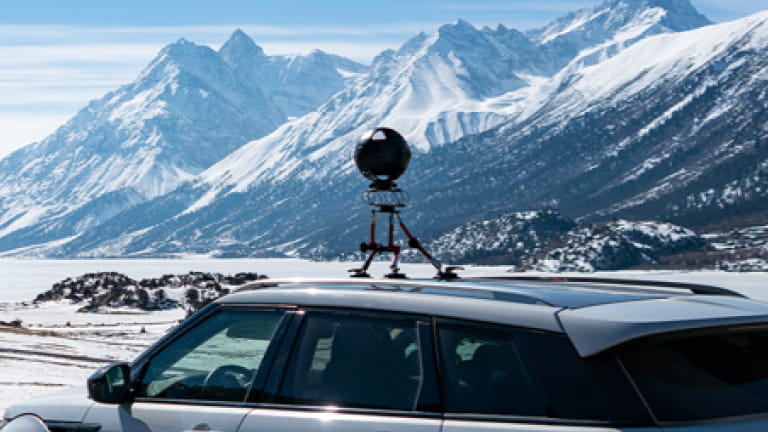
A 360 car camera records in every direction at once (as you’d guess from the name), so nothing depends on which way the camera was pointing when the incident happened. A traditional dash cam commits to one angle once you mount it. But a 360 camera captures the whole scene instead.
That full-scene record proves valuable when a dispute comes down to two different versions of the same story. A forward-only dash cam can’t answer those questions with one angle locked in, but with the whole scene recorded, you have something to reference besides your own memory.
What is the Best Car Dash Cam?
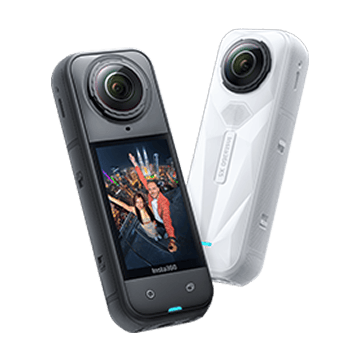
Best for Full Coverage: Insta360 X6
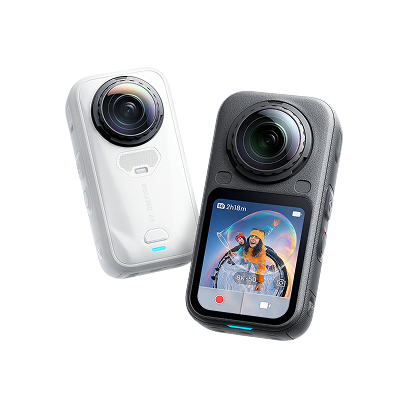
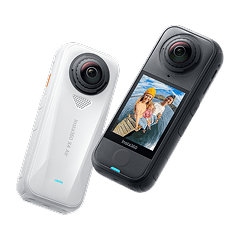
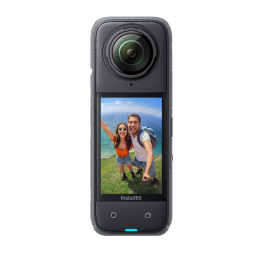
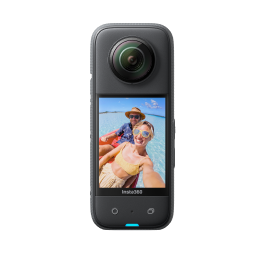
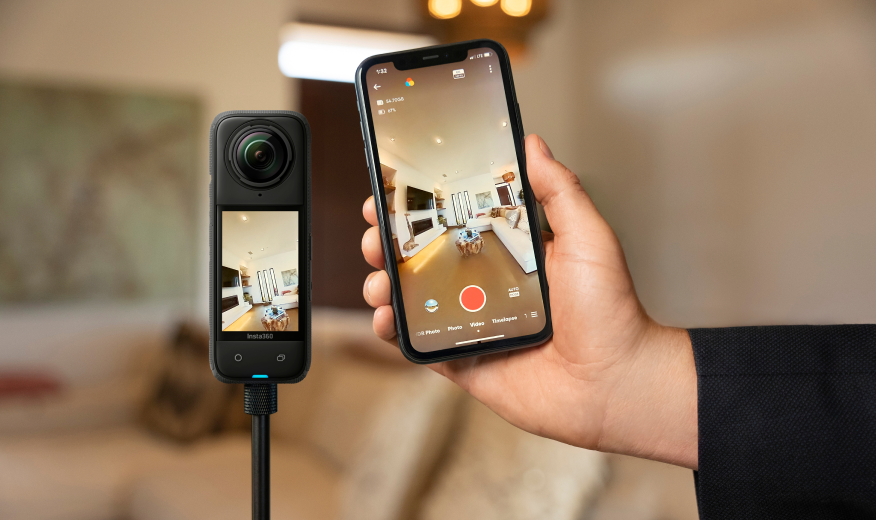
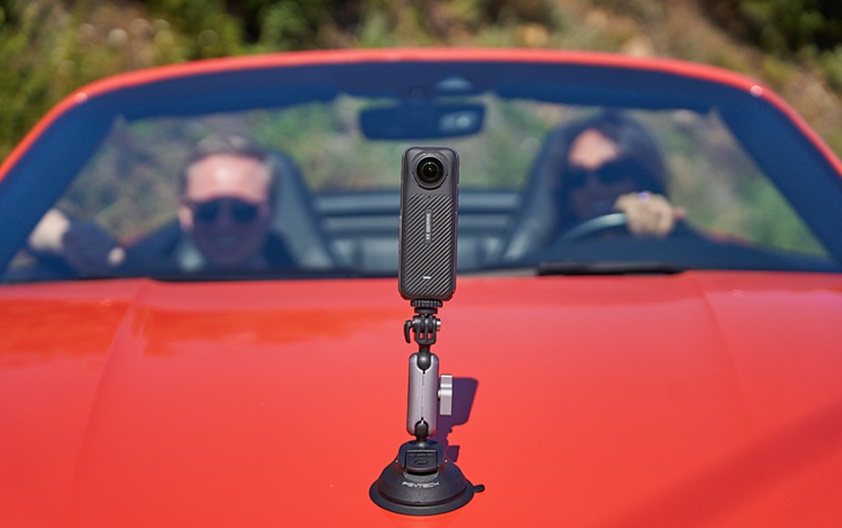
Insta360 X6 is the pick if you want the fullest picture of what happened. It’s an intelligent 360 camera that features Road Mode, instantly turning it into a reliable dash cam. Mount it to the windshield and it records continuous coverage while you drive.
It’s designed with real hardware: dual Sony custom sensors, a Triple AI Chip system, 8K 1-inch imaging and 5K60FPS at 170 degrees ultra-wide. On the road, that means catching the cyclist passing on the right and the car running the light on the left, plus, whatever happens behind you, all in the same clip.
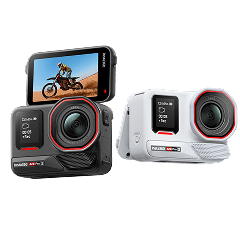
Best for a Compact Setup: Insta360 Ace Pro 2
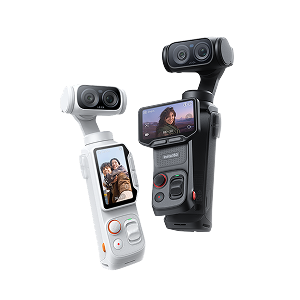
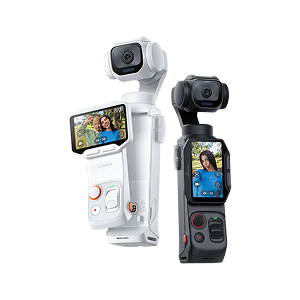
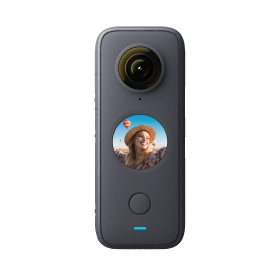
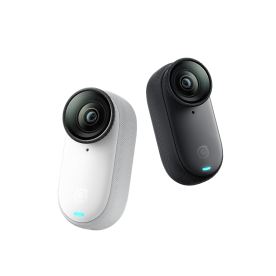
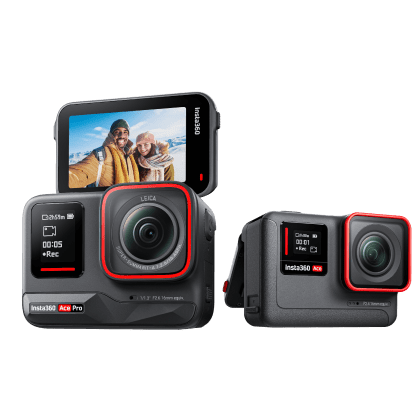
Insta360 Ace Pro 2 is an action camera designed for everyday shooting—low light especially—and Dashcam Mode can be flicked on to turn it into a compact dash cam too. Mount it with the Quick Release Mount and it loops recording as you drive.
The 1/1.3-inch 8K sensor is paired with a Leica Summarit lens, plus a 2.5-inch flip touchscreen for checking your mount angle (but don’t do this as you drive, do your checks before).
It won't match the all-around coverage of a 360 camera, so Insta360 X6 fits better if catching what happens beside or behind you matters most. For drivers who mainly want solid forward footage from a camera they'll keep using off the windshield too, Insta360 Ace Pro 2 is your best choice.
Can You Install a Car Dash Cam Yourself?
A typical dash cam install means fishing the cable through a headliner, down the A-pillar and into a fuse box. An Insta360 camera setup is a lot simpler than that. But for either, you can install the cam yourself.
| Traditional Dash Cam | Insta360 Camera as Dash Cam | |
| Mounting | Adhesive or suction mount | Magnetic quick-release base clips into a windshield or dashboard mount |
| Power | 12V adapter or hardwire kit into the fuse box | USB-C into a 12V outlet or USB port |
| Wiring | Tucked into a headliner and down the A-pillar | Plug in |
| Parking Mode | Needs a hardwire kit or battery pack for true impact detection | Not built in |
| Setup Time | 30+ minutes (but this is model dependent) | A few minutes |
Installing a car mount is the only real step, since Insta360 X6 and Insta360 Ace Pro 2 both clip onto a quick-release base instead of being glued in place, both powered through USB-C.
Setting Up Loop Recording So It Runs Without You
Loop recording is what keeps a dash cam from filling its card and simply shooting. Road Mode splits recording into 1-minute clips and overwrites the oldest ones once your allocated loop space fills up, so the card doesn’t run out.
Insta360 X6 needs a minimum of 4.6GB of microSD storage set aside before Road Mode will run continuously. Allocate that much storage and Road Mode loops properly. Turn on Power-off Charging and Insta360 X6 starts automatically the moment you plug in and start the engine, with no button to press or app to open.
Insta360 Ace Pro 2 works the same way through Dashcam Mode—set Power-off Charging to Charge and Record, pick Loop Recording as the shooting mode and 4K60FPS is a solid default.
GPS, Parking Mode and Other Features Worth Considering
Neither Insta360 X6 nor Insta360 Ace Pro 2 includes built-in GPS logging or true parking mode: recording triggered by an impact while the car is off and locked.
Parking mode needs a hardwire kit or external battery pack feeding the camera power around the clock. What you get instead is continuous recording while the car's on, covering the lane changes, rear-end taps and side-swipes responsible for most disputes.
If unattended parking-lot protection is why you're buying a dash cam, a dedicated hardwired camera serves that better.
Dash cam legality varies by state too, including mounting position and audio consent, so check your state's dash cam rules before you install anything.
Matching the Right Camera to Your Driving Needs
| Driving Style/Needs | Best Fit | Why |
| Daily commuter | Insta360 X6 | Covers every side of the car |
| Rideshare or delivery driver | Insta360 X6 | Liability can come from any direction |
| Road-tripper who wants footage of the whole trip | Insta360 Ace Pro 2 | Doubles as an everyday camera |
| Driver who wants forward coverage and simplest setup | Insta360 Ace Pro 2 | Compact and easy |
Frequently Asked Questions
Is a 360 Camera Better Than a Traditional Dash Cam?
For catching incidents from any direction, yes—a 360 camera records every angle at once, so you're not locked into whatever direction you mounted it. A traditional dash cam still wins on unattended parking-lot monitoring, since that needs a hardwired setup a 360 action camera doesn't have.
Can You Use an Insta360 Camera as a Dash Cam?
If you already own an Insta360 X4, Insta360 X4 Air, Insta360 X5 or Insta360 X6, Road Mode is built in. You’ll just need to get a windshield mount. Insta360 Ace Pro and Insta360 Ace Pro 2 owners get the same option through Dashcam Mode.
Do Dash Cams Record When the Car Is Parked?
Only if they're set up for it. Recording while parked and turned off requires a hardwire kit or external battery.
What Resolution Do You Need for Clear Dash Cam Footage?
Enough to read a license plate, which usually means 2K or higher with a decent sensor behind it.
Is Dash Cam Footage Accepted as Insurance Evidence?
Generally yes. Insurers and police increasingly treat dash cam footage as legitimate evidence, though acceptance and dash cam laws vary by state.
How Long Does Dash Cam Footage Stay Before It's Overwritten?
It depends on how much storage you allocate to loop recording. For example, Insta360 X6 needs a minimum of 4.6GB to run Road Mode, but a larger microSD card set to the same mode simply loops for longer before the oldest clips get overwritten.
360 Coverage Gives You the Full Picture Every Time You Drive
Picking the best dash cam for your car comes down to what you're protecting against: a blind spot a forward-only camera can't see, a setup you don't want to fight with or footage you'll actually use for more than proving fault.
Insta360 X6 covers every angle at once. Insta360 Ace Pro 2 keeps things compact. Neither one needs the wire-hiding project a traditional install demands.
Ready to stop guessing which direction to point a camera? Insta360 X6 is designed to cover all of them at once.
Keen to keep up to date on Insta360 stories? Keep an eye on our blog and sign up for our mailing list. Got a story to share? Email yours to communitystories@insta360.com and win up to US$50.


.webp)