
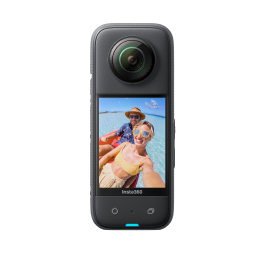
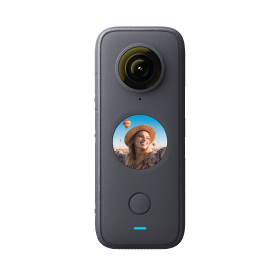
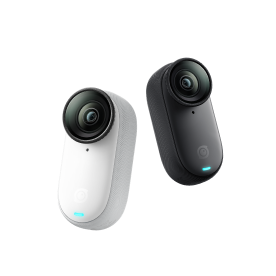
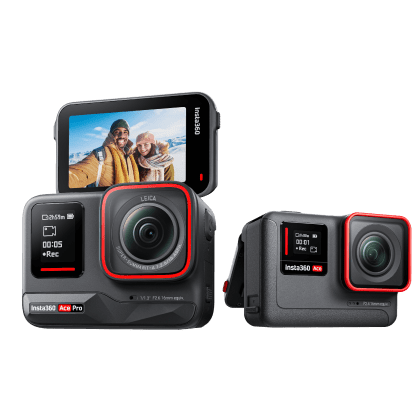
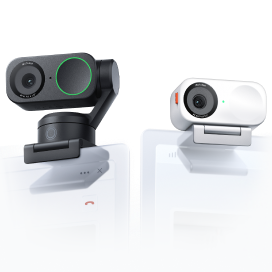

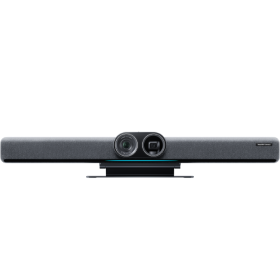
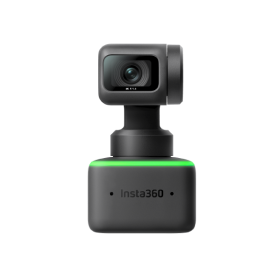
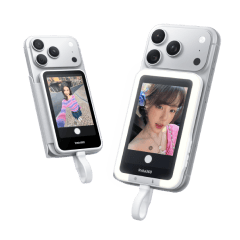













Most first vlogs start the same way: phone held at arm's length, footage that bounces with every step and audio full of wind. The best vlogging cameras for beginners fix those problems without making you learn f-stops first. Below are four easy picks, each matched to a different style of vlog, plus what to look for if you're still deciding.
Key Takeaways
- Match the camera to how you'll film: a gimbal camera for handheld talking-to-camera vlogs, a wearable or action cam when your hands are busy.
- Stabilization does more for beginner footage than resolution.
- Clear audio counts as much as sharp video, so pick a camera that pairs with a wireless mic.
- If you post mostly to Reels and Shorts, native vertical recording saves you from cropping away detail.
- An app with AI editing makes posting every week far more realistic.
Quick Picks
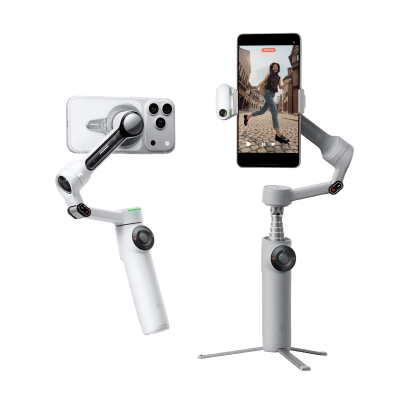
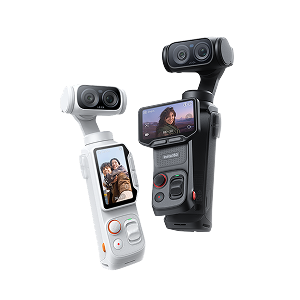
Best Overall: Insta360 Luna Ultra
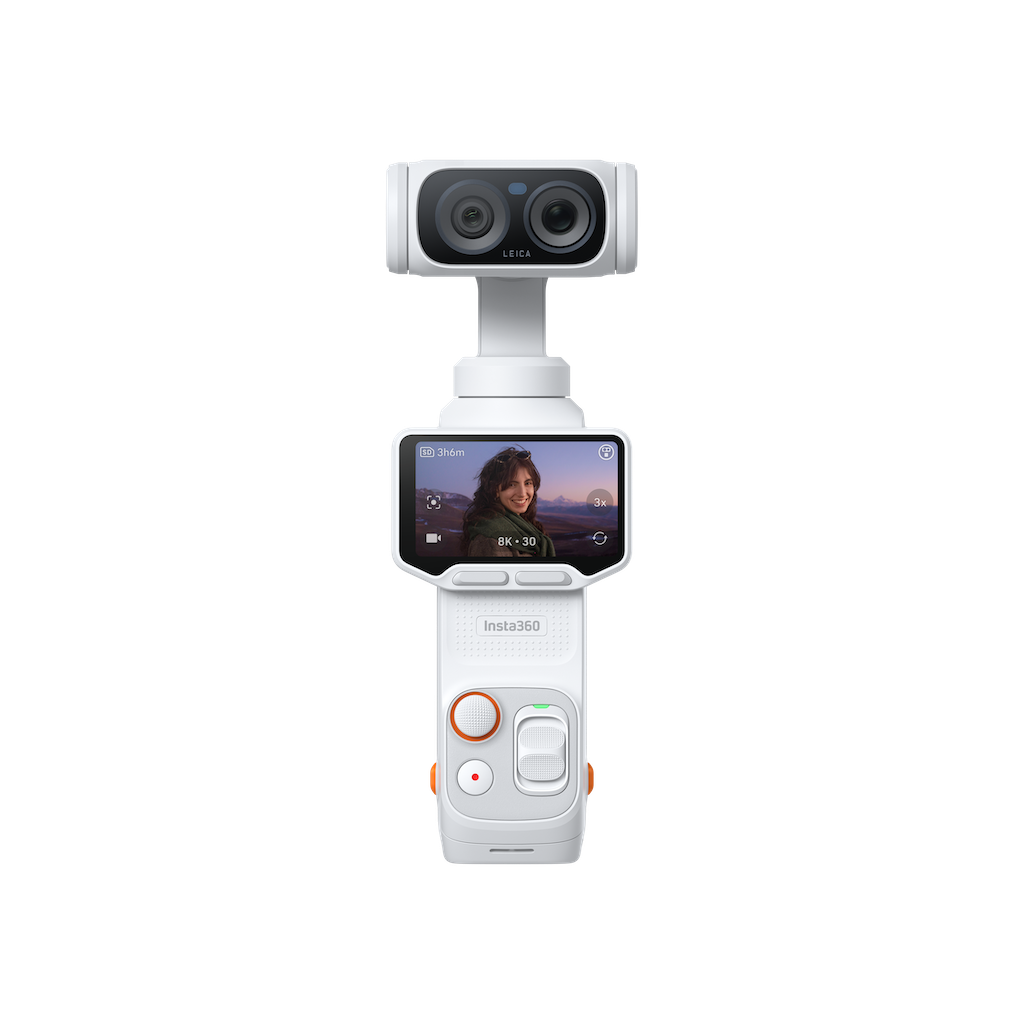
- Dual-lens system with a 1” main sensor and a telephoto lens.
- 8K30FPS video and 4K120FPS slow motion.
- 3-axis gimbal stabilization.
- Detachable 2” OLED touchscreen.
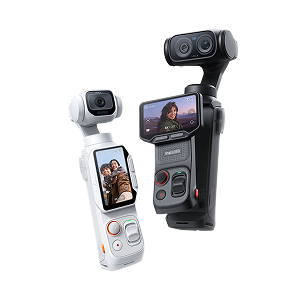
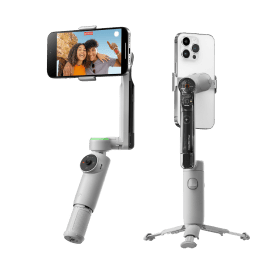
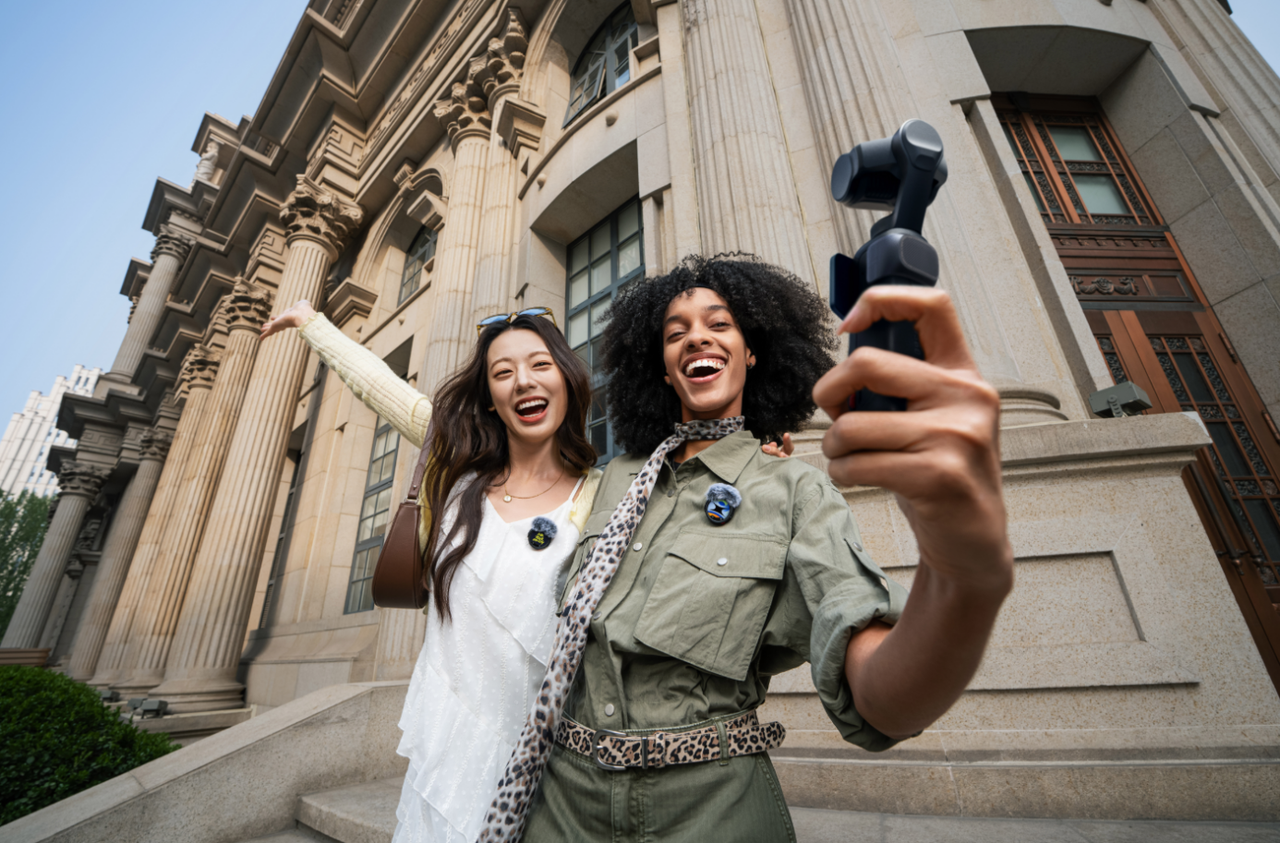
Insta360 Luna Ultra hands the hardest part of beginner vlogging, keeping the shot level while you walk and talk, to a 3-axis gimbal. The second lens is the reason to choose it. Punch in on a street performer or grab a tight portrait, then flip back to wide for your talking segments.
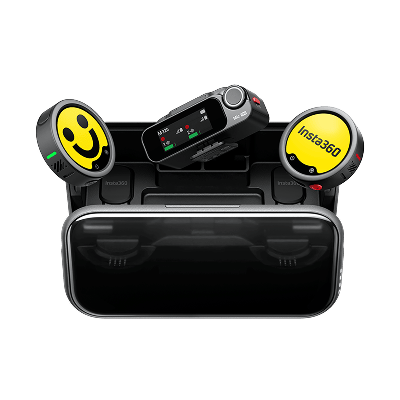
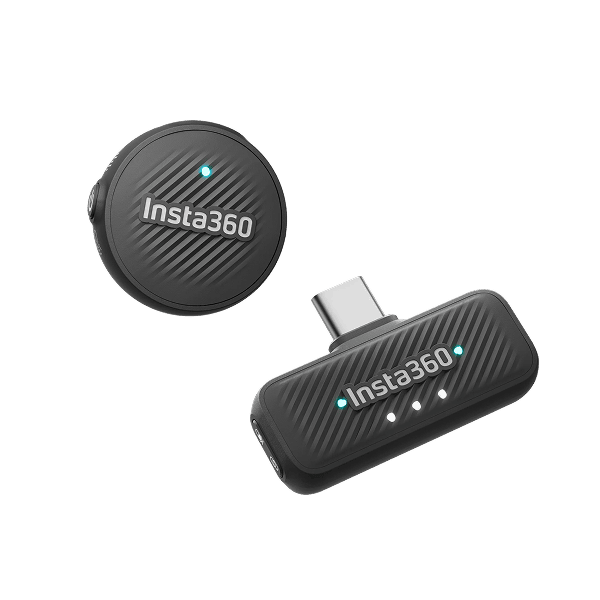
Pair it with Insta360 Mic Pro and your voice stays clear even when traffic doesn't cooperate.
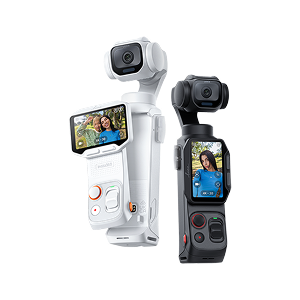
Best Value for Everyday Vlogging: Insta360 Luna Pro
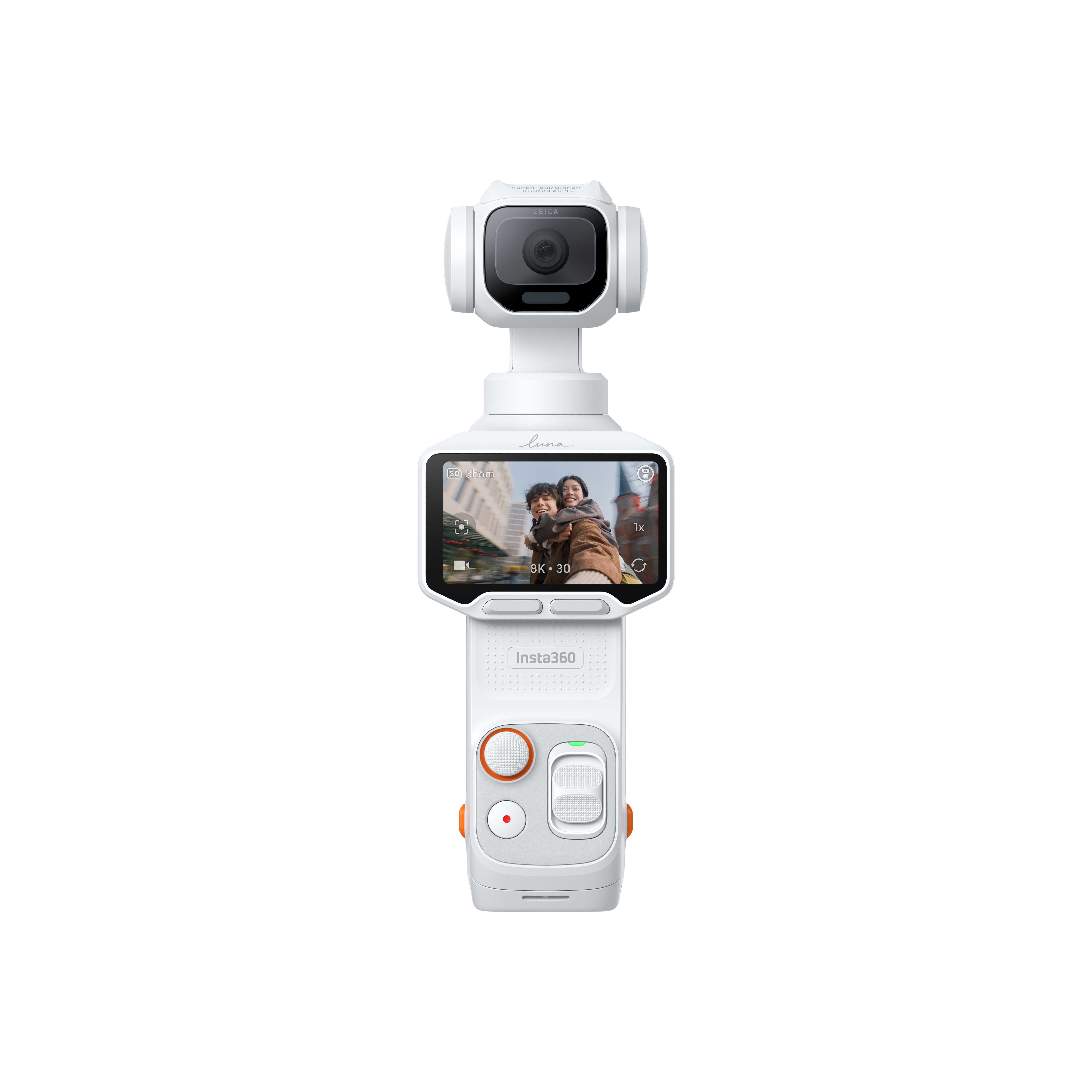
- Single-lens system with a 1” sensor.
- 8K30FPS video and native 4K30FPS vertical video.
- 3-axis gimbal stabilization.
- 7.6oz (215g) in Cosmic Black.
Insta360 Luna Pro shares the 1” sensor, gimbal and detachable touchscreen of its dual-lens sibling. The main difference between Insta360 Luna Ultra and Insta360 Luna Pro is the telephoto lens, and for most beginners that trade makes sense, since talking-head and day-in-the-life vlogs happen at arm's length.
Native vertical recording means a clip filmed for Instagram keeps its detail, and you can post before your coffee goes cold.
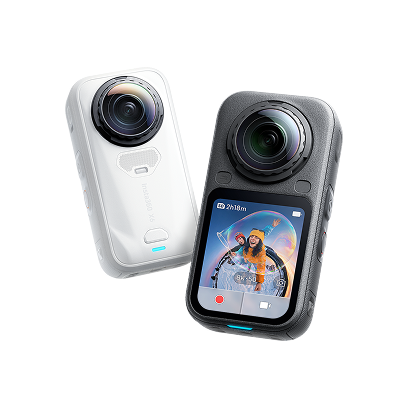
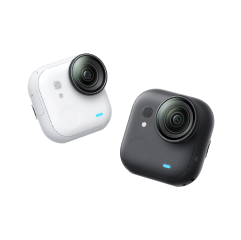
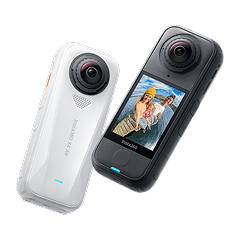
Best for Hands-Free POV Vlogging: Insta360 GO Ultra
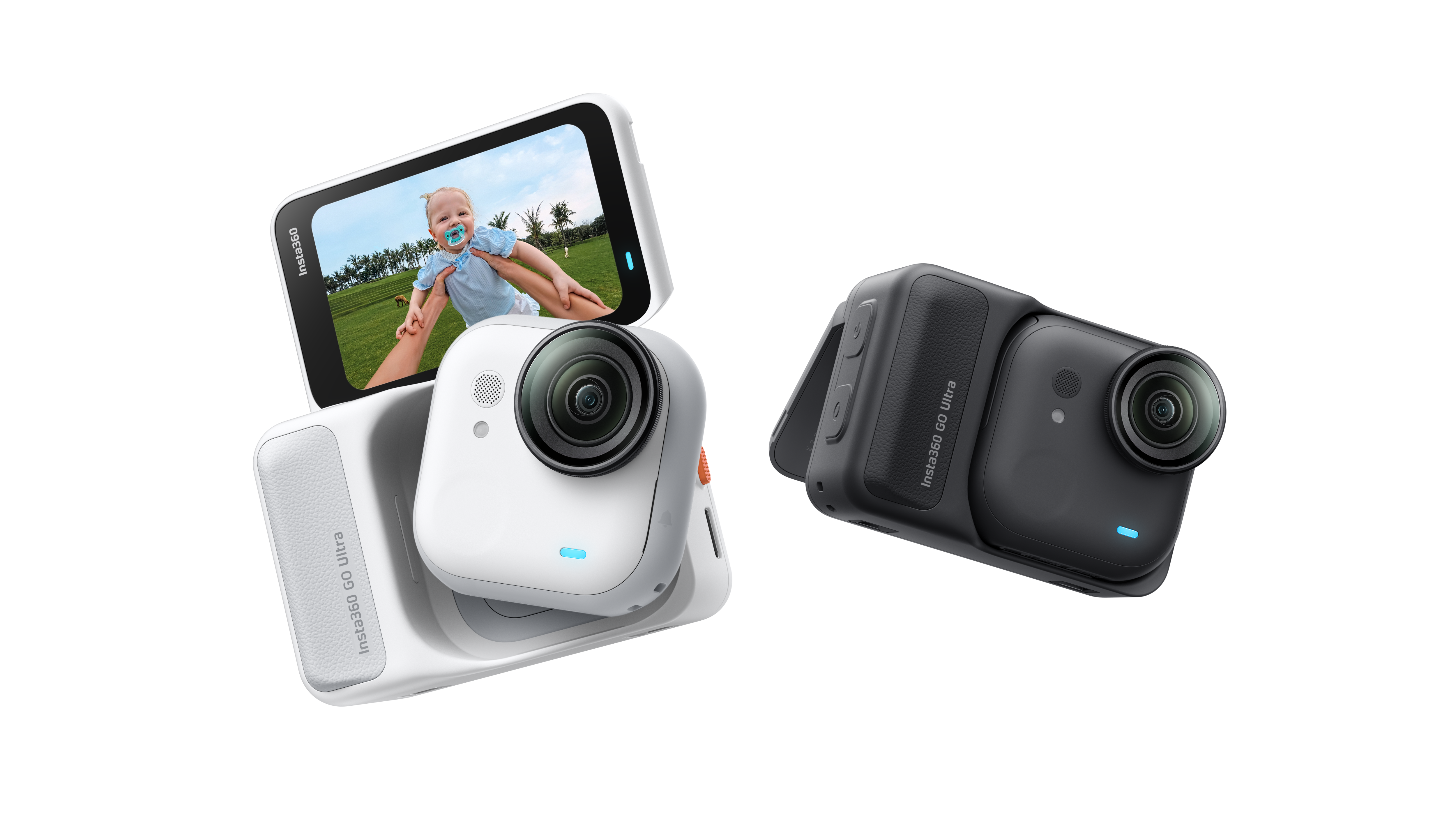
- 1.9oz (53g) standalone camera.
- 1/1.28” sensor with 4K60FPS video.
- Waterproof to 33ft (10m) without a case (camera only).
- Up to 200 minutes of recording with the Action Pod.
Not ideal for: Sit-down vlogs where you want zoom or soft background blur.
Clip Insta360 GO Ultra to your chest with the Magnet Pendant and you capture your hands kneading dough or your kid's first wobbly scooter lap while staying in the moment.
Want to talk to the lens? Dock it in the Action Pod, flip the touchscreen up and you've got a regular vlogging camera with a much bigger battery.
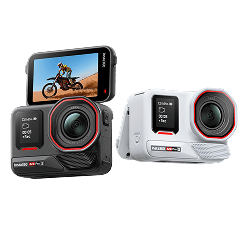
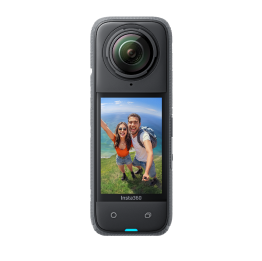
Best for Action and Outdoor Vlogging: Insta360 Ace Pro 2
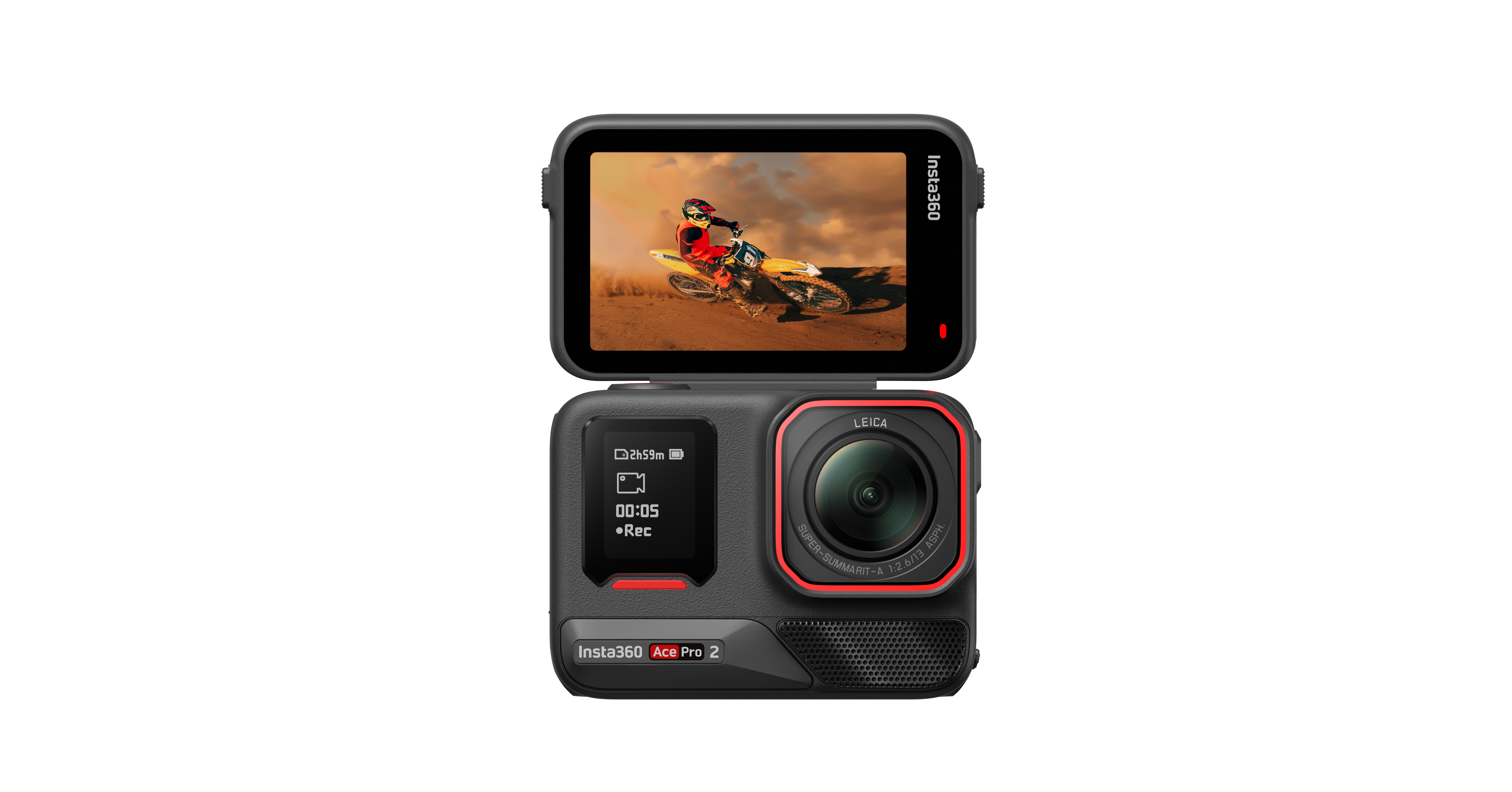
- 1/1.3” 8K sensor with a Leica SUMMARIT lens.
- 2.5” flip touchscreen.
- Waterproof to 39ft (12m) without a case.
- Wind guard for clearer outdoor audio.
Pick Insta360 Ace Pro 2 when your vlog happens outside, in the rain or on two wheels. Mount it to a helmet for a motovlog, then flip the screen up for a roadside chat. The wind guard cuts the roar that ruins so much outdoor audio, and you don't have to baby it on your first adventure trip.
How to Choose the Right Vlogging Camera as a Beginner
Specs only matter if they fix the problems you'll hit while filming, so work through these five points before you buy.
Start With How You'll Film
If you'll mostly hold the camera and talk to it, look for a 3-axis gimbal. If your hands are busy with handlebars or a mixing bowl, go wearable or mountable.
For travel, compact gimbal cameras give you smoother walk-and-talk shots and a softer, more cinematic look, while action cameras handle rain, sand and helmet mounts without a case.
Put Stabilization Ahead of Resolution
Viewers notice shaky footage long before they notice soft detail, which is why stabilization ranks so high when picking the best vlogging camera at any level. Steady 4K holds an audience better than wobbly 8K.
Plan for Audio
Built-in mics struggle once wind and traffic join in, mostly because of distance. Sound drops by about 6 decibels each time its distance from the mic doubles, according to Georgia State University's HyperPhysics. A wireless mic clipped near your mouth fixes that, so choose a camera that pairs with one.
Think About Where You'll Post
YouTube is still the biggest stage, with 84% of U.S. adults saying they use it. If Reels and Shorts are your main channels, native vertical recording saves you from cropping away detail.
Keep Editing Simple
An app with AI editing turns a 20-minute recording into a 60-second clip on your phone, so a weekly upload stays doable in your first months of learning to vlog.
Frequently Asked Questions
What Camera Is Recommended for Beginner YouTubers?
Look for strong stabilization, a screen you can see while filming and external mic support. A pocket gimbal camera covers all of that for talking-head and travel videos. For sports or outdoor channels, start with a waterproof action camera. Those three features still matter once you're past the beginner stage.
What Is a Good Low-Budget Vlogging Camera?
The phone you already own. Add a small tripod and a clip-on mic, and learn framing and editing before spending anything big. When you outgrow it, a compact action or wearable camera like Insta360 GO Ultra usually costs less than a mirrorless kit.
Is a Cheap Camera Good Enough for Vlogging?
Yes, for learning. Viewers care more about clear audio and a story worth watching than specs. A cheap camera starts holding you back in low light, in wind and when you film while walking.
Do Beginner Vloggers Need an External Microphone?
Not on day one, but you'll want one soon. Built-in mics work indoors and close up. Outdoors, a wireless mic clipped to your shirt keeps your voice clear even when you turn your head.
A Beginner-Friendly Vlogging Camera Helps You Film With Confidence from Day One
Steady footage and clear sound are what move you from "I should start a channel" to an actual upload. If you want one camera that grows with you, start with Insta360 Luna Ultra and film your first episode this week.
Keen to keep up to date on Insta360 stories? Keep an eye on our blog and sign up for our mailing list. Got a story to share? Email yours to communitystories@insta360.com and win up to US$50.
Your shot. Your world. The Insta360 Global Awards 2026 supported by Leica are officially open. Join creators worldwide and compete across six categories (Street, Travel, Life, Portrait, Sports, and Night) for your share of a US$150,000+ prize pool, including cash prizes and Insta360 gear. Submit your best video or photo at insta360.com/awards.




%20(1).svg)


%20(1).svg)

.svg)