
















Searching for the best accessories for your sports video camera? The sport you shoot decides most of what you need. Mountain bikers need a mount that survives rock gardens, skiers are up against glare and surfers need a camera that floats home. A few basics work for everyone, though. This guide covers the core kit and where to mount your camera, then breaks down what to pack for each sport.
Key Takeaways
- Mounts and spare power fix most sports footage problems, so get those right first.
- A chest or helmet mount puts viewers in your seat. A selfie stick shows you as the athlete.
- Tether every mount and check it between runs.
- Each sport adds its own extras, like ND filters for snow glare and a mic for wind at speed.
- A two-minute pre-session check catches flat batteries and full cards before they cost you footage.
The Core Accessories Every Sports Camera Kit Needs
Every sports camera kit needs a mount, protection, enough power and something to tame bright light and wind.
| Accessory | What It Solves | Pack It When |
| Mounts and straps | Hands-free POV and fixed angles | Both hands are busy |
| Selfie sticks and grips | Third-person and follow shots | You want yourself in the frame |
| Protective cases and frames | Impact, water and lens scratches | Falls, crashes or water are likely |
| Spare batteries and charging | Short runtimes in cold or long sessions | Long rides, runs or days on the mountain |
| ND filters | Choppy, overly sharp motion in bright light | Shooting in sun, snow or on water |
| Wireless mic or windshield | Wind noise and muffled commentary | You talk on camera mid-activity |
Where to Mount Your Camera for Different Shots
Mount position decides who the story is about. Strap the camera to your chest or helmet and viewers ride along with you. Push it out on a selfie stick or tripod and you become the subject.
| Mount | Perspective | Best For |
| Chest mount | Low, immersive POV that shows hands and handlebars | Mountain biking, skiing, climbing |
| Helmet mount | Rider's-eye view that follows head movement | Cycling, motorsports, snowboarding |
| Head strap | Natural eye-level POV without a helmet | Running, hiking, paddling |
| Handlebar or bike mount | Stable forward or rider-facing angle | Road and mountain biking |
| Selfie stick | Third-person, follow-cam style shots | Skiing, skating, BMX |
| Board or rope mount | On-board water angles | Surfing, wakeboarding, kayaking, paddleboarding |
| Tripod | Wide, fixed coverage | Team sports, skate parks, sideline filming |
Before you head out, run these mount safety checks:
- Tether the camera to a strap, helmet or bag so one failed mount doesn’t end at the bottom of a lake.
- Push quick-release buckles until they click, then give each one a hard tug.
- Give adhesive mounts a full day to cure before you ride.
- Check every mount between runs. Vibration loosens screws slowly.
The Right Camera Accessories for Each Sport
Each sport throws a different problem at your camera, so your kit should change with the sport you're shooting.
Cycling and Mountain Biking
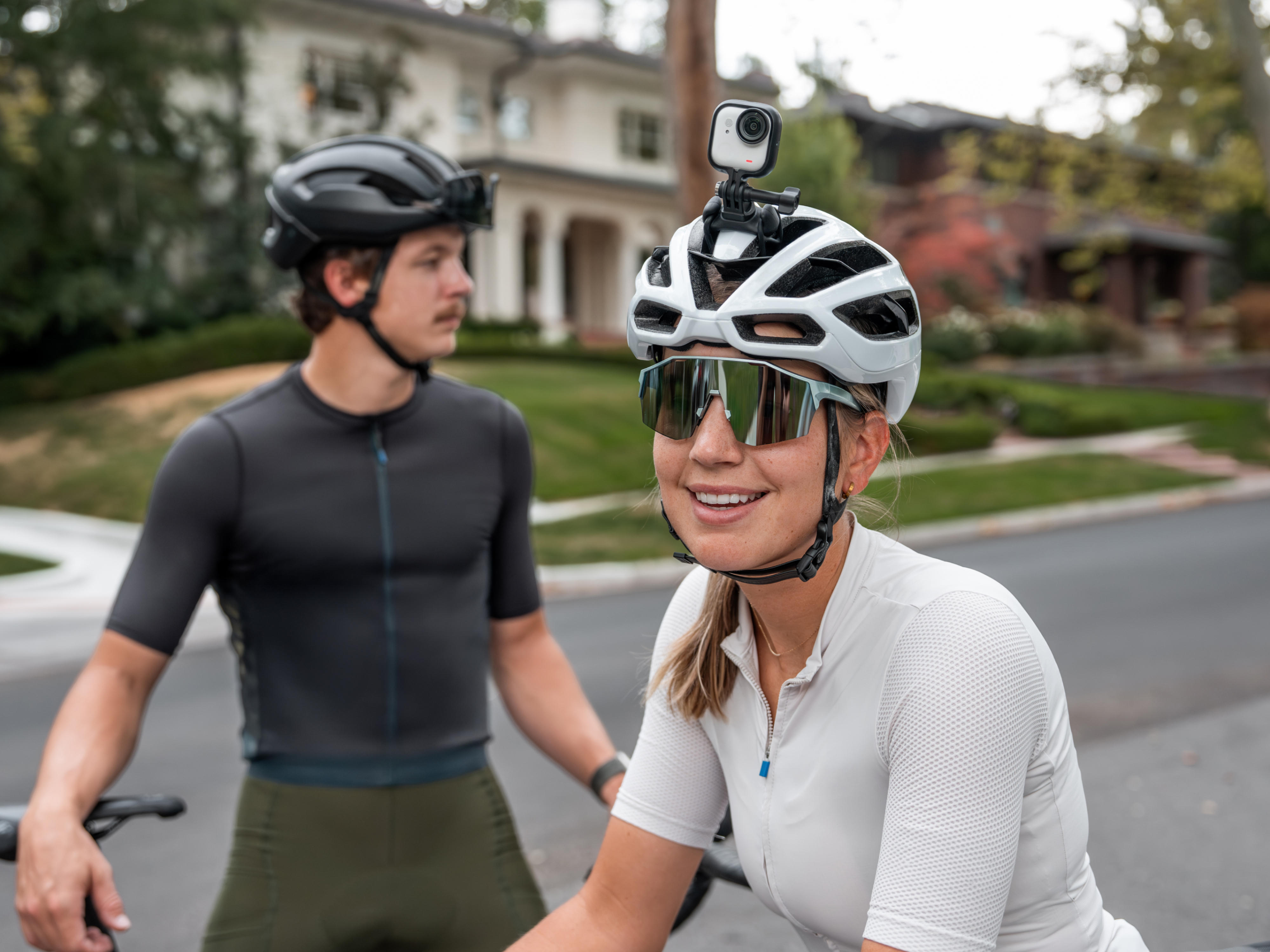
Trail riding shakes everything, so your mount is really important here. Strap the camera low on your chest and it rides out the rough sections with your bars in frame. Put it on your helmet and viewers see exactly where you looked.
What to pack:
- A chest mount for steady POV with your hands and bars in one shot. The Chest Strap keeps the camera low and centered.
- A helmet mount for the rider’s-eye angle. The Helmet Mount Bundle covers both top and side placements.
Skiing and Snowboarding
Snow reflects so much light that the camera has to use very fast shutter speeds, and fast action ends up looking choppy. Cold is the other problem, since lithium-ion batteries struggle at low temperatures. Both have simple fixes, and the top ski accessories for pro-quality footage pack down small.
What to pack:
- ND filters to bring back natural motion blur on brighter days. If you shoot on Insta360 X6, grab the X6 ND Filters.
- Spare batteries, kept warm in an inside pocket.
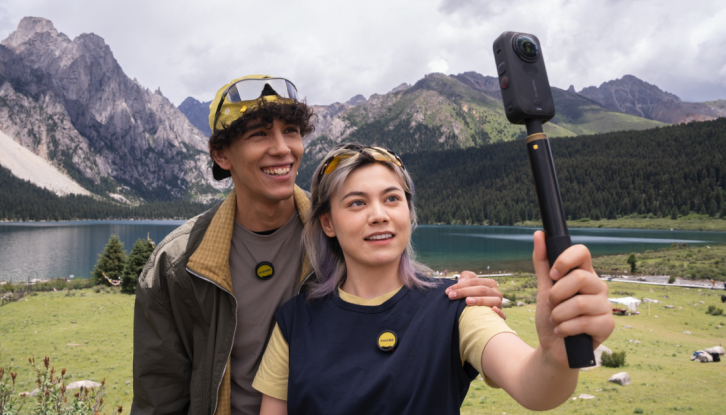
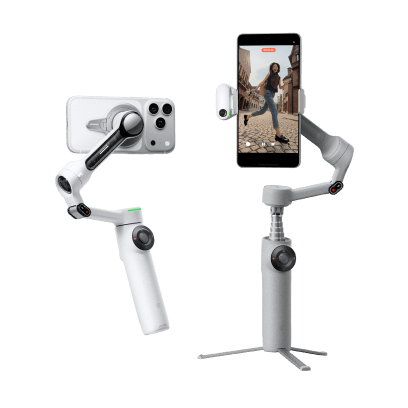
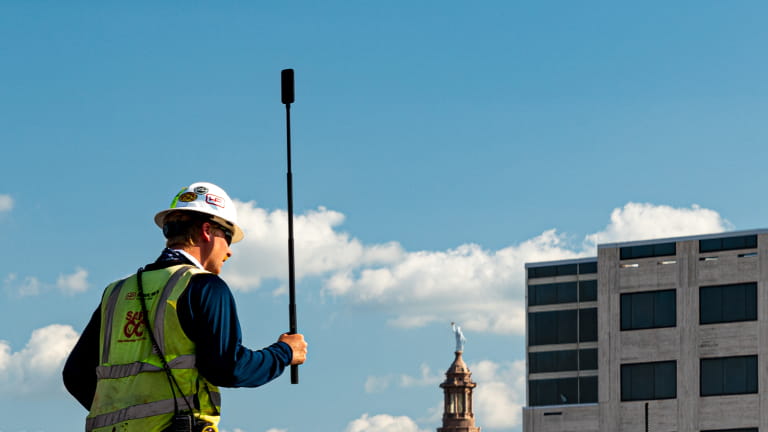
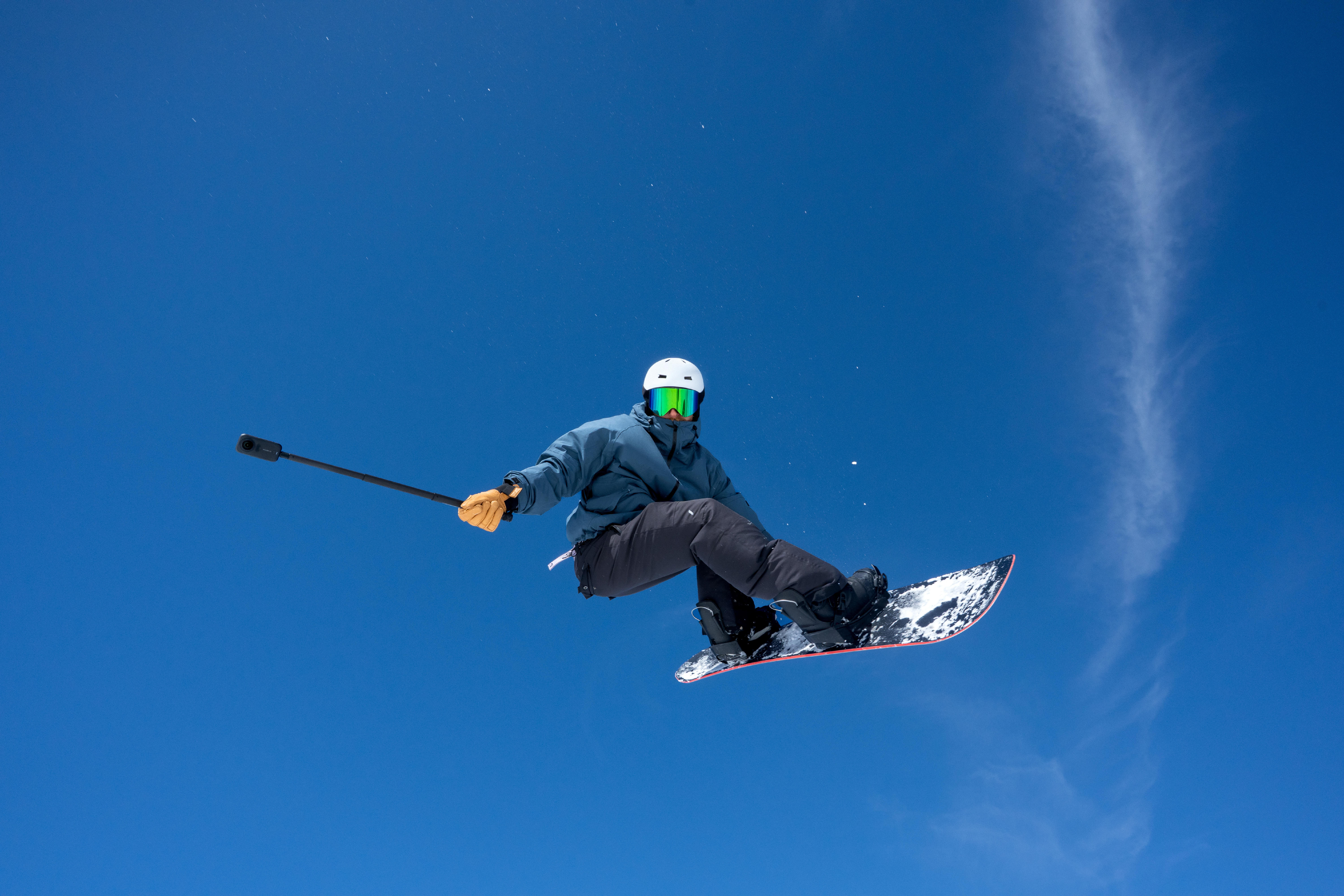
- An invisible selfie stick for third-person park laps. The 114cm Invisible Selfie Stick disappears from 360 footage, so your clips look like a drone followed you down the run.
Surfing and Water Sports
Water gets cameras two ways: leaks and drops. Check whether your camera is waterproof on its own or needs a housing, and never paddle out without a tether.
Surfers usually mount the camera on the board’s nose or deck, which keeps the wave and the rider in one frame.
Heading underwater? You’ll need waterproof camera accessories designed for depth.
What to pack:
- A float or leash tether.
- A board mount on the nose or deck for surf POV.
- A rope mount for wakeboarding and kitesurfing. The Insta360 X6 Water Sports Rope Mount puts the camera on the tow rope for an angle a board mount can’t get.
Motorsports and Powersports
Engines shake cameras hard, and at higher speeds the wind drowns out anything you say. A locked-down mount handles the first problem, while a proper mic handles the second. Strong stabilization matters too, and it's what separates the best powersports cameras for dirt bikes, ATVs and snowmobiles from the rest.
What to pack:
- A helmet mount, tightened and tethered, for the rider’s-eye view.
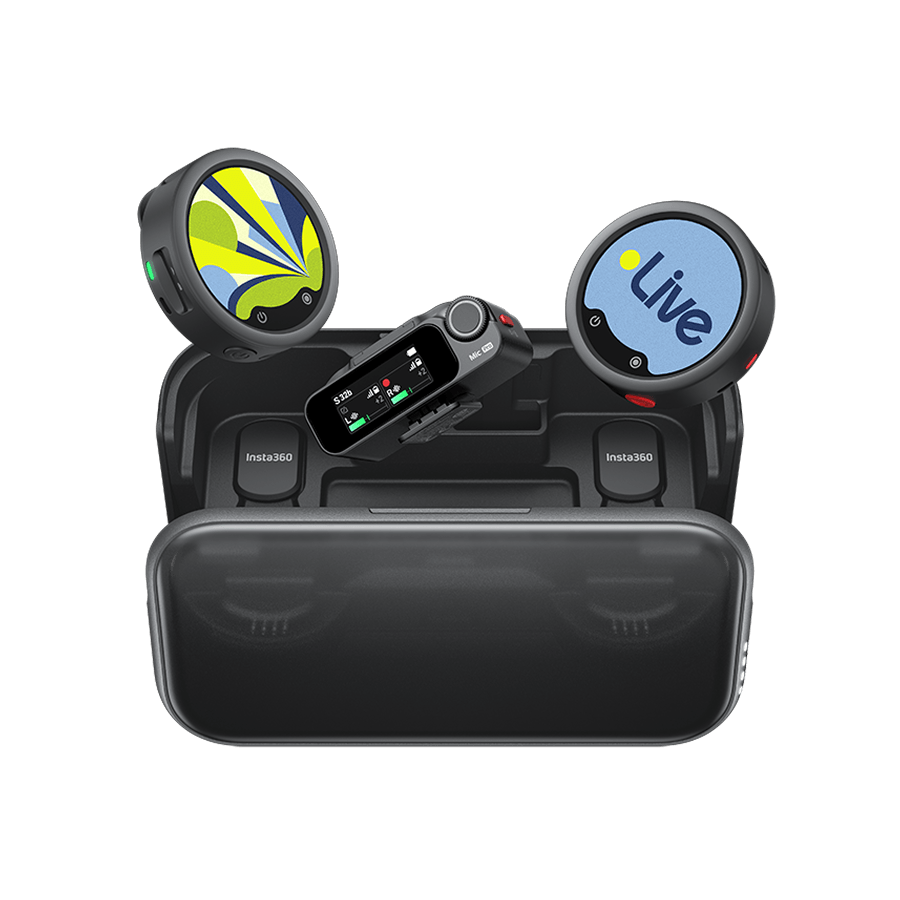
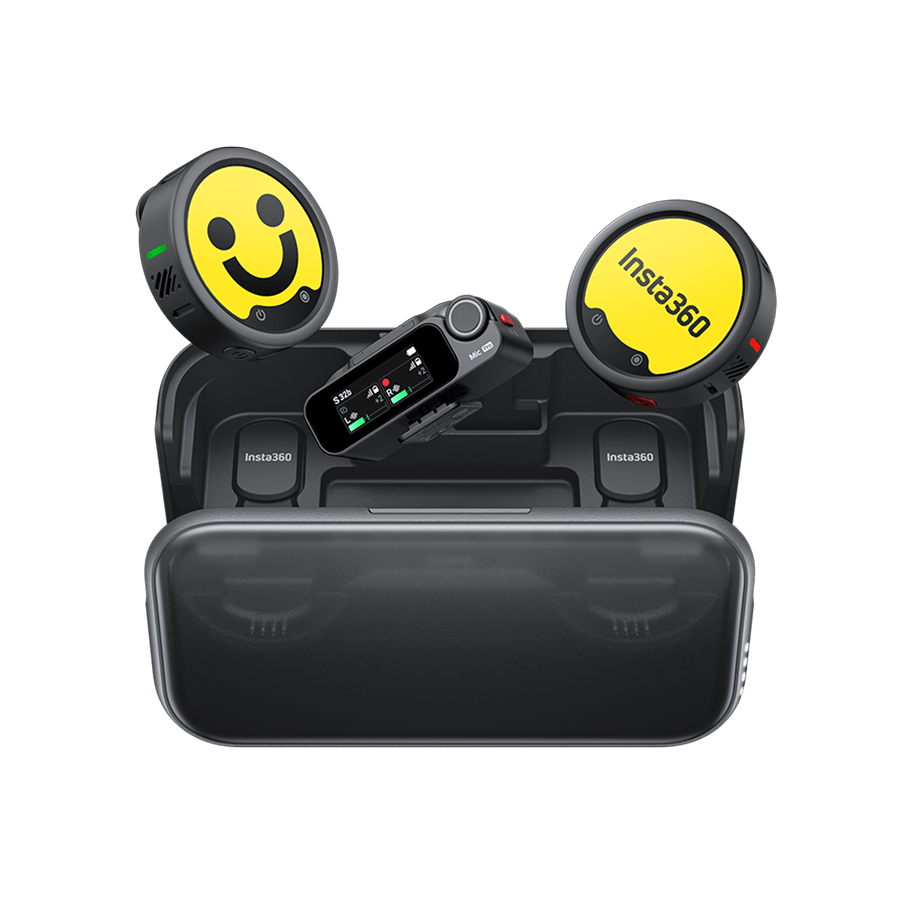
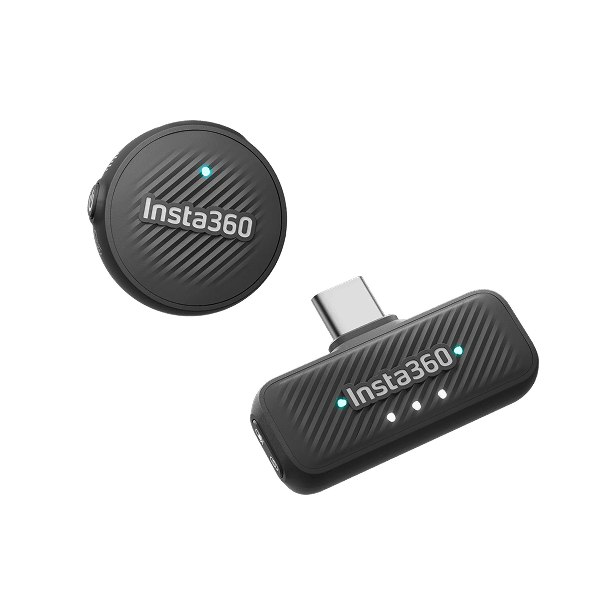
- A wireless mic clipped under your collar, where fabric blocks the wind. Mic Air connects directly to Insta360 X6, Ace Pro 2 and GO Ultra.
Running, Hiking and Trail Sports
Every gram counts on foot, and a bouncing camera ruins the shot. Go small and mount close to your body.
What to pack:
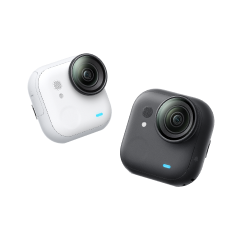
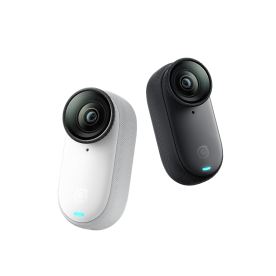
- A thumb-sized camera you can wear, like Insta360 GO Ultra. Its magnetic clip and pendant attach to a cap or backpack strap in seconds.
- A power bank for long days, since you won’t pass many outlets on a ridgeline.
Team Sports and Sideline Coverage
Game day requires coverage. Set one camera wide on a tripod to catch the whole field, then use a second for tight follow shots. Those two angles are the backbone of sports videography for teams and clubs.
What to pack:
- A tripod for wide, fixed coverage of the field or court.
- Spare batteries and memory cards to last a full game.
A Pre-Session Checklist for Sports Video
Two minutes at the trailhead beats a full memory card halfway down the mountain. Run through these before every session:
- Charge every battery, and pack at least one spare.
- Clear your memory card or bring a second one.
- Lock and tug-test every mount, then attach the tether.
- Clean the lens and fit the lens guard.
- Fit an ND filter for bright conditions.
- Record a 10-second audio test with the wind blowing.
- Confirm your resolution, frame rate and stabilization settings.
Building a Sports Kit Around Insta360 Cameras
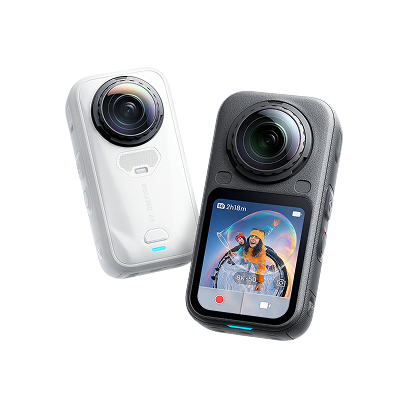
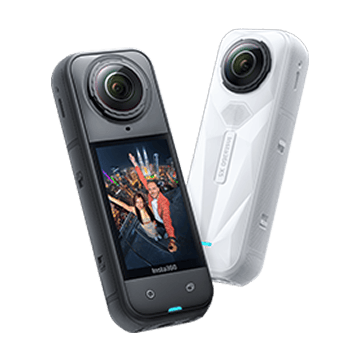
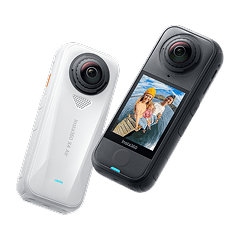
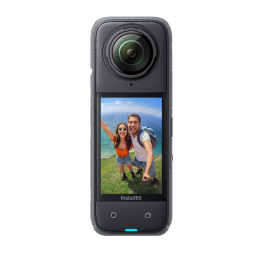
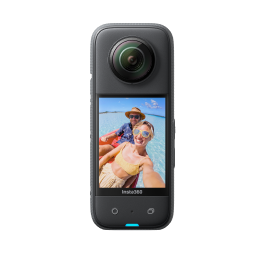
Not sure which angle you’ll want until you’re home? Insta360 X6 captures everything around you in 360, so you pick the shot in editing. That flexibility suits fast, unpredictable sports like skiing, wakeboarding and BMX.
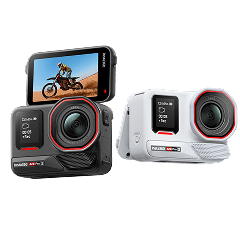
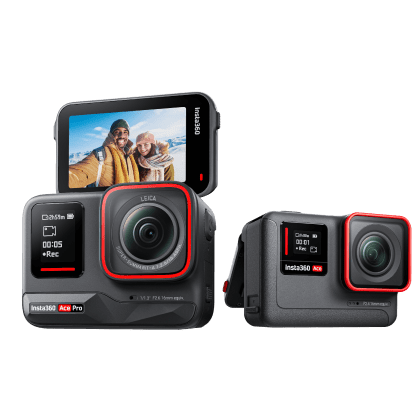
For classic chest and helmet POV on a mountain bike or snowboard, Insta360 Ace Pro 2 is the better fit. Its 2.5-inch flip touchscreen lets you check framing before you clip in, and a wind guard comes pre-installed.
Some angles need a camera you barely notice. Insta360 GO Ultra fits where a bigger camera won't, which makes it the pick for running, hiking and any sport where weight matters.
Pair any of these three with Mic Air—it connects straight to the camera with no receiver to mount, and you can switch on noise cancellation from the transmitter when the wind picks up.
Frequently Asked Questions
What Accessories Do You Need for an Action Camera?
Start with a mount, a spare battery and a protective case or lens guard. Those three cover most sports and stop the most common footage failures. Add ND filters for bright days, and a wireless mic if you talk on camera while you ride or run.
Where Is the Best Place to Mount a Camera for Sports?
The chest is the most versatile spot. It stays steady and keeps your hands in shot on the bike or the slopes. Helmet mounts suit sports where your head tracks the action, like motocross. For third-person shots, a selfie stick or tripod puts you in the frame with the terrain around you.
Is a Chest Mount or Helmet Mount Better for POV Footage?
A chest mount is better for stable, immersive footage, because your torso moves less than your head. A helmet mount shows exactly where you looked, but every head turn moves the frame. Many riders use both, then cut between the two angles in editing to keep the video moving.
Do You Need ND Filters for Action Cameras?
ND filters are optional, and they help most in bright light. ND filters let the camera use a slower shutter speed, which adds natural motion blur and stops fast action from looking choppy. They make the biggest difference on snow and water, where reflected sunlight pushes shutter speeds highest.
How Do You Reduce Wind Noise When Filming Sports?
Use a wind guard or foam windscreen on the camera, and clip a wireless mic under your collar or jacket, where fabric blocks the gusts. Turning on the camera’s wind noise reduction setting helps too. Before a long session, record a quick test at speed and play it back.
Pack for the Sport You Shoot—Not the Spec Sheet
A mountain biker and a surfer need different kits. Match mounts to the view you want, carry enough power for the coldest or longest session and add filters and mics once your footage tells you what's missing.
Pick the problem your footage keeps running into, and find the Insta360 accessory that fixes it.
Keen to keep up to date on Insta360 stories? Keep an eye on our blog and sign up for our mailing list. Got a story to share? Email yours to communitystories@insta360.com and win up to US$50.
Your shot. Your world. The Insta360 Global Awards 2026 supported by Leica are officially open. Join creators worldwide and compete across six categories (Street, Travel, Life, Portrait, Sports, and Night) for your share of a US$150,000+ prize pool, including cash prizes and Insta360 gear. Submit your best video or photo at insta360.com/awards.