




















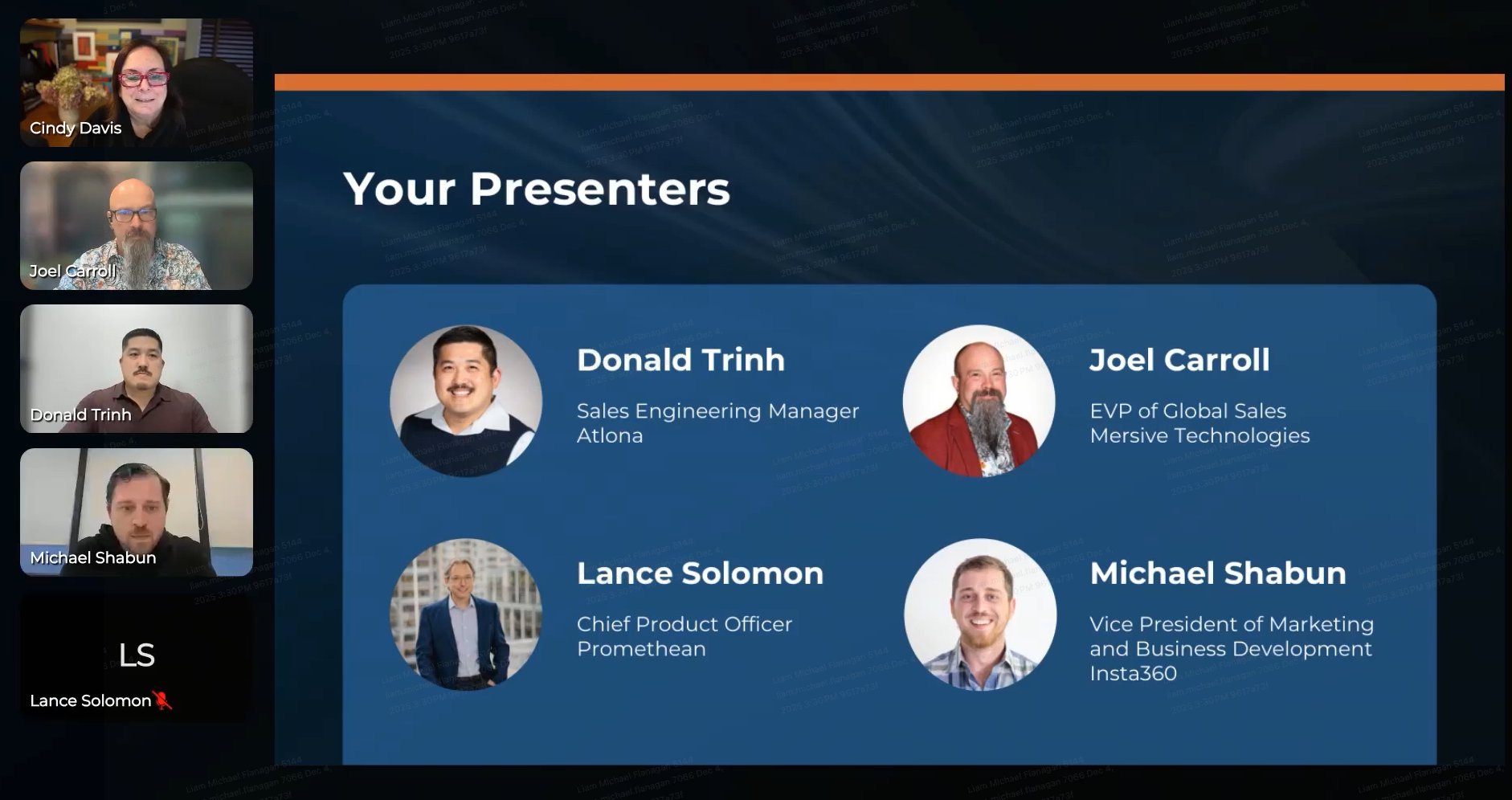
In today's rapidly evolving workplace and education environments, the need for innovative, adaptable meeting solutions has never been more pronounced. That's why Insta360 was excited to take part in AV Network's recent SmartPanel webinar, where industry thought leaders discussed the next generation of collaboration technology. Our North America Director, Michael Shabun, participated in this roundtable and shared valuable perspectives on the challenges and opportunities shaping the future of meeting spaces.
Below, we explore the essential ideas Michael contributed, focusing on room design, connectivity, artificial intelligence, and long-term planning. These topics reflect not only his expertise but also Insta360's ongoing commitment to real-world problem solving.
Trends Shaping Today’s Meeting Technology
One of the webinar's key discussions centered on the macro trends defining the collaboration space. Michael highlighted four dynamics at work:
- Organizations are becoming more intentional about room design, investing time in planning solutions that truly match each space's purpose and user needs.
- Longevity is now a top requirement for technology investments. Rather than continually replacing hardware, companies expect solutions that evolve through ongoing software enhancements and support.
- There is a growing recognition that not all meeting spaces are the same. As a result, technology selection is increasingly customized to each environment, whether it's a personal office, huddle area, or large conference room.
- Importantly, real workflows should shape buying decisions. More organizations are consulting end users to ensure technology purchases reflect actual needs, from educators requiring annotation tools to corporate teams managing hybrid schedules.
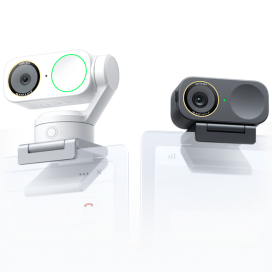
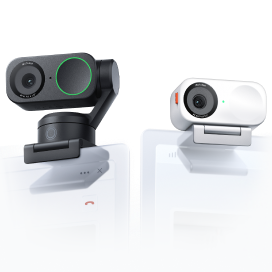
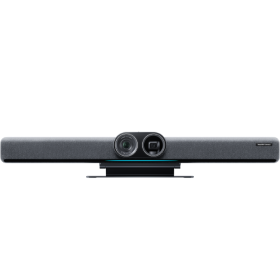
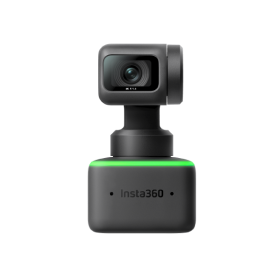
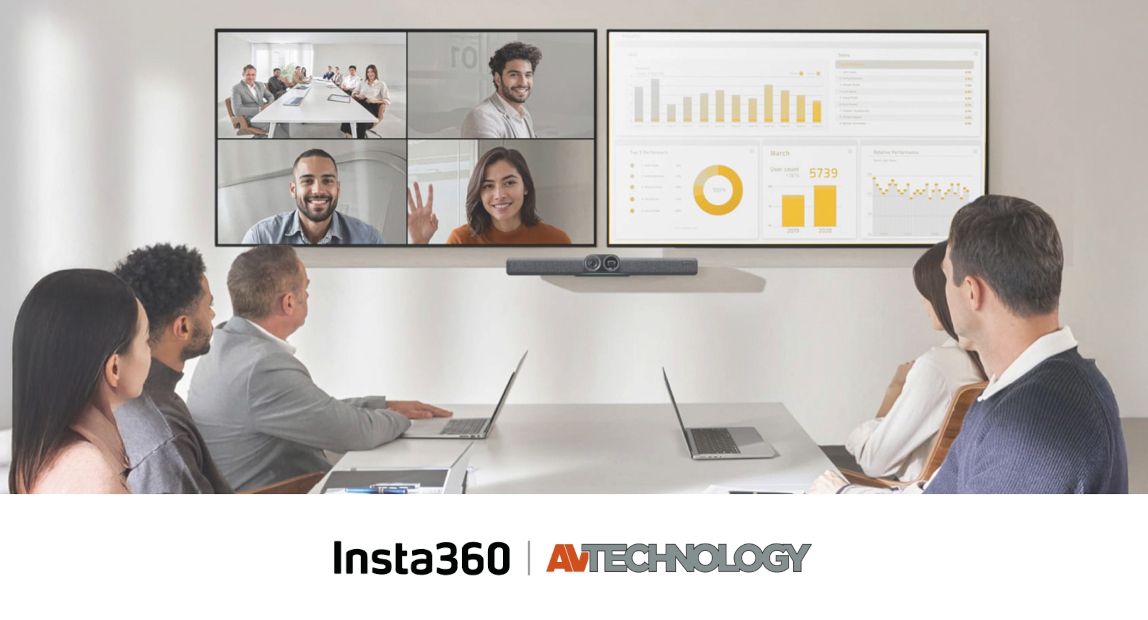
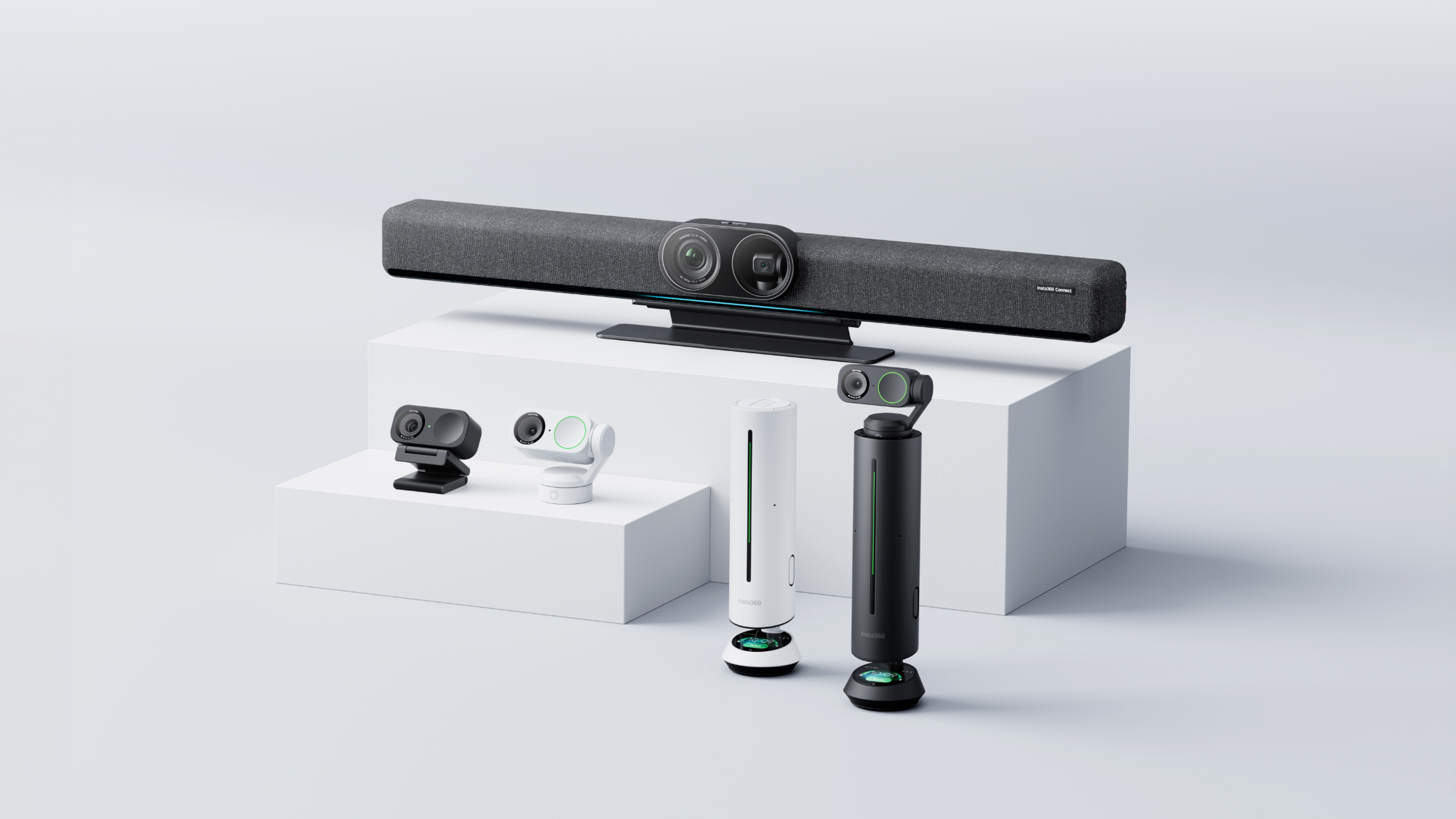
At Insta360, we see these same trends across our partnerships and product deployments. Our Link 2 AI webcam addresses small and personal meeting spaces, while the Connect all-in-one video bar is designed for small to medium conference rooms. Both products illustrate how intentional planning and user feedback drive our design process.
Getting Room Design Right by Listening to Users
Michael emphasized that effective collaborative spaces start with understanding their users. He shared insights from higher education, an environment where flexibility, engagement, and BYOD (bring your own device) support are particularly important. Professors and students often request easy annotation capabilities or seamless remote participation.
This confirms the value of involving users early in the design process. Our solutions, such as Link 2 for small rooms and personal workspaces, and Connect for group settings, reflect this approach by being tailored to a diverse range of roles and tasks.
Planning for the Long Term
Organizations now expect their collaboration systems to remain relevant and reliable for many years, typically between five and seven. Longevity isn't just about durable hardware. It also means regular firmware updates, evolving AI features, ongoing compatibility with new platforms, and a commitment to security improvements.
We put these principles into practice across Link and Connect product lines. Continuous software development ensures users benefit from improved camera framing, audio performance, broader interoperability, and seamless user experiences—even as needs change over time.
Custom Technology, Custom Spaces
Every meeting is unique. Michael outlined how effective setups differ from one room to another:
- In small meeting areas, solutions like Link 2 provide effortless plug-and-play operation, which minimizes friction and setup time.
- Huddle rooms, often used for brainstorming or impromptu discussions, benefit from devices that enable intelligent framing and shared content interaction.
- Medium-sized conference rooms demand all-in-one video bars like Connect, which make it easy for several participants to join and be seen and heard.
- Large rooms may call for advanced systems with multiple microphones or sophisticated camera tracking to ensure everyone's voice is captured clearly.
This tailored strategy delivers the right experience while controlling costs.
Tackling the Real Connectivity Challenge
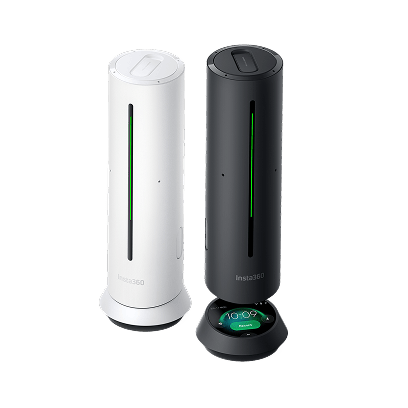
Connectivity hiccups can halt productivity. According to Michael, these issues include technology barriers such as inconsistent USB-C connections, varying device standards, and bandwidth limitations. Human issues are just as disruptive: selecting the wrong device, running outdated software, or grappling with privacy pop-ups. Insta360's design approach focuses on reducing obstacles and making meetings effortless by using fewer cords and providing integrated user guidance, as seen in Connect and Wave.
AI Is the New Meeting Assistant
AI is having a transformative effect on meetings, moving well beyond video enhancement. Michael demonstrated how Insta360 leverages AI to optimize the entire meeting workflow:
- Features such as auto-framing and speaker tracking on Link 2 and Connect help ensure everyone is visible and engaged.
- Advanced noise cancellation (available on Link 2 and Wave) improves audio clarity, helping participants focus on the conversation.
- Tools for automatic meeting transcription and summarized notes make record-keeping effortless.
- Intelligent whiteboard and presentation capture technology enables more effective sharing of visual content.
As Michael expressed, the goal is for AI to enhance every aspect of the meeting, not just the video stream.
Security at Every Step
Data security was a major concern for everyone at the roundtable. Michael outlined Insta360's uncompromising approach, which includes:
- Processing data within specific regions to comply with local regulations
- Encrypting all video and audio transmissions
- Giving users transparent permission controls
- Providing years of firmware and security updates to protect against emerging threats
These measures apply consistently across our conferencing solutions, including Link 2, Connect, and Wave, helping organizations in the education and business sectors meet stringent privacy and compliance demands.
Collaboration for the Modern World
As the landscape of the workplace and classroom continues to change, the lessons from Insta360's roundtable reinforce a simple principle: intelligent, thoughtfully designed tools empower better communication. With products like Link 2, Connect, and Wave, Insta360 is committed to supporting organizations today and preparing them for the collaborative environments of tomorrow.
Keen to keep up to date on Insta360 stories? Keep an eye on our blog and sign up for our mailing list. You can also contact our Enterprise team directly to see how 360 cameras can benefit your business.




.svg)


%20(1).svg)

%20(1).svg)